Part 1 of The Gnostic Vision — Ancient Wisdom for the Modern Soul
The topic of Gnosticism is vast and complex and better referred to as an umbrella term than a single movement. Despite continuous new findings of ancient texts preserved away from sanitizing zealots, most of these texts get locked away some time decades for studying purposes before they are released to the public. In this series, we try to uncover what Gnosticism is from philosophy to daily practices and how it has shaped the human race, at times, in hermetic ways.
There are jars buried in the sands of Egypt that changed everything we thought we knew about the origins of Christianity.
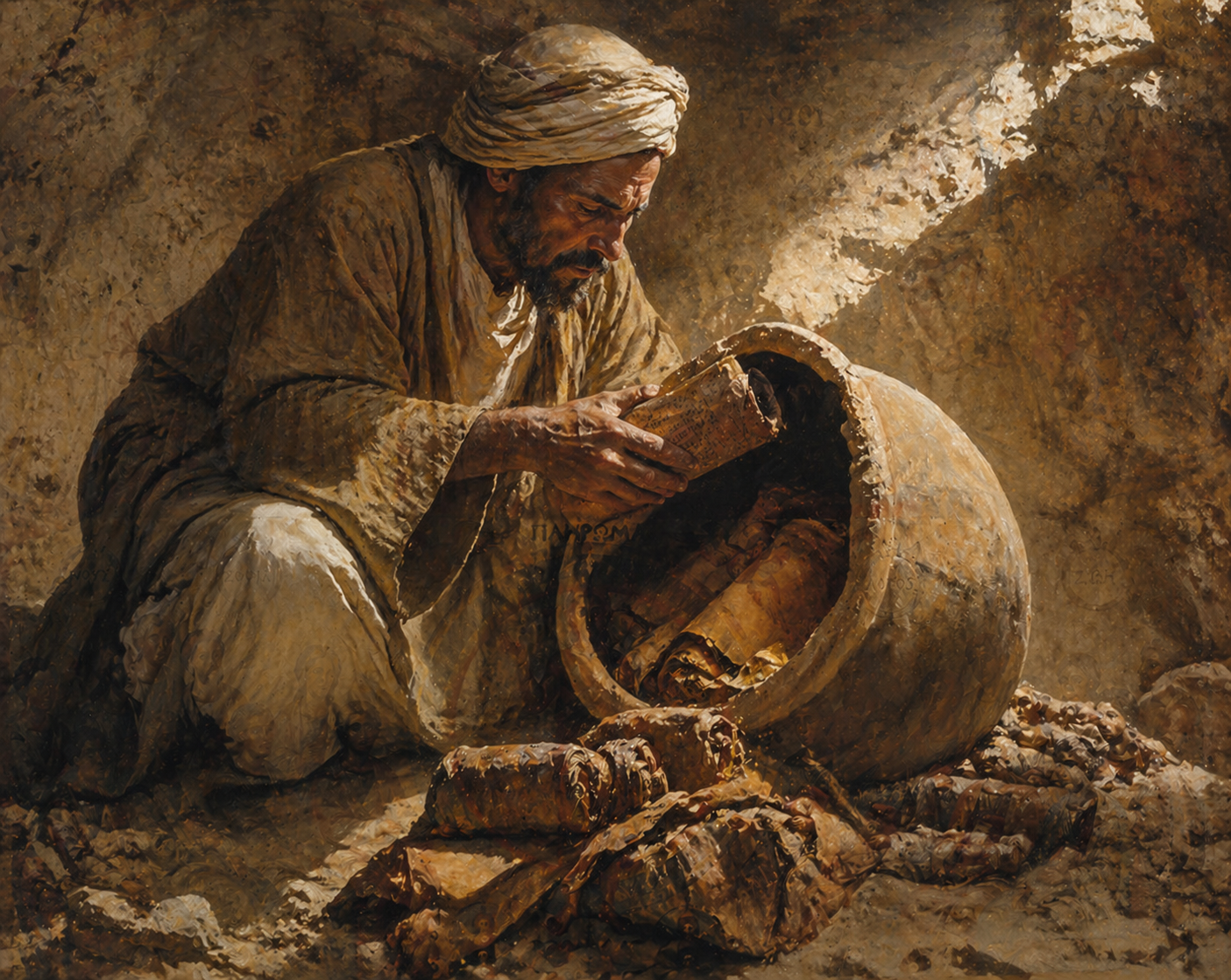
In 1945, a farmer by the name of Muhammad al-Samman, near the town of Nag Hammadi struck a sealed clay vessel with his spade. Inside were thirteen papyrus codices — ancient books written in Coptic, a forgotten language of early Christianity. Among them was a text the early Church had spent centuries trying to erase: The Apocryphon of John, the Secret Book of John. It had been buried for over 1,500 years. The sad part about it is, before knowing what he had stumbled on, he used a few of them as fire starter.
What it contained in the rest was heresy for the modern Christian church. It went through great length and resource to brutally suppress it. This was a threatening map — a sophisticated, luminous map of the human soul and its relationship to the divine. It ran counter-clockwise to the Church’s sinful message of who we are. In many ways, it was closer to the Vedas and highest Ati yogas that start from the premise that you are perfect, only the view needs to be cleared. This Gnostic central message was one that orthodox religion had spent enormous energy denying: the divine is not beyond you, above, far distant, and waiting to judge you. It is within you, waiting to be remembered. It has always been this way.
This is the story of Gnosticism — and why it may be the most relevant ancient wisdom tradition for the world we are living in right now.
What Is Gnosticism, Really?
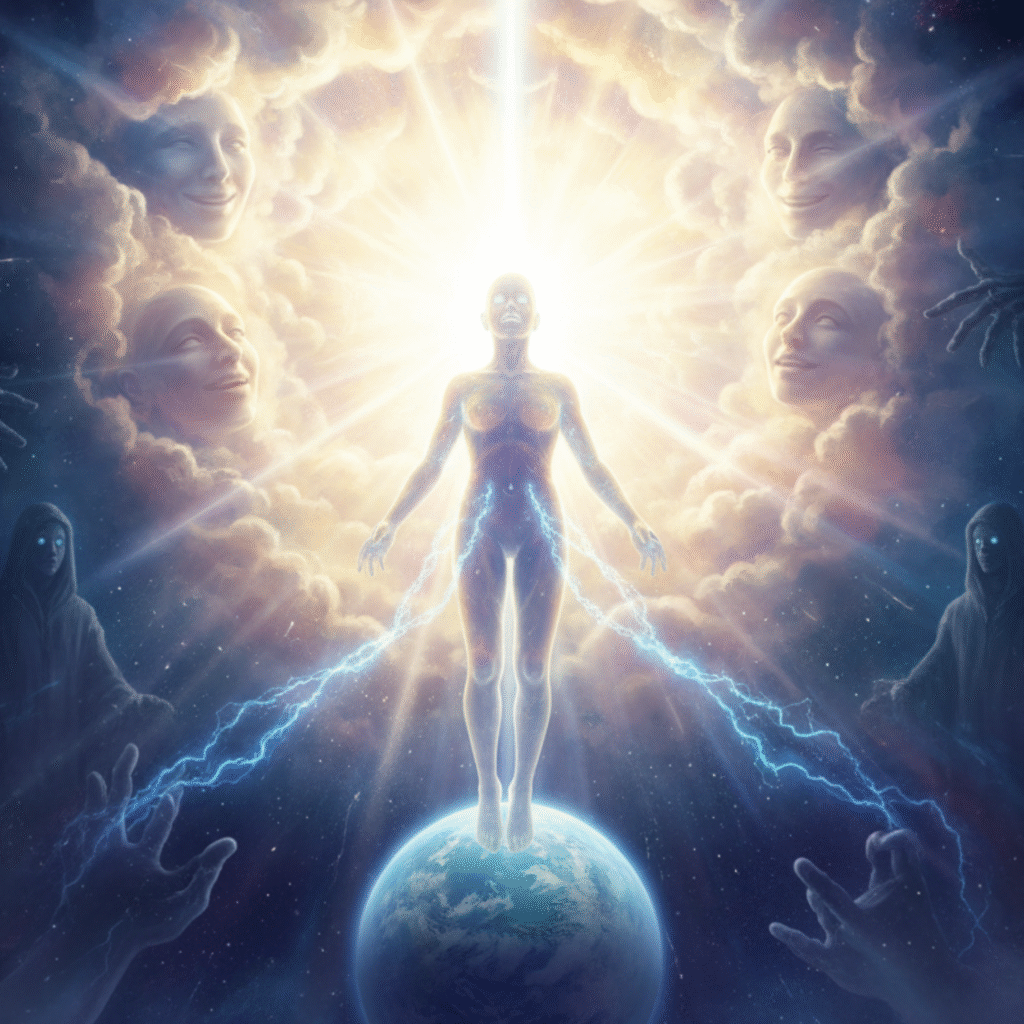
The word Gnostic comes from the Greek gnosis, meaning knowledge. This is not knowledge in the ordinary sense — facts, doctrine, theology memorized from a catechism. Gnosis is direct, experiential knowledge of the divine. It is the difference between reading about the ocean and standing in it. You can perhaps see some connection to ancient wisdom system found throughout the world. This was a Western rebirth of ancient philosophies. And it would meet a harsh resistance.
Gnosticism was never a single religion, nor is it today either. It was a broad current of spiritual thought that moved through the ancient Mediterranean world between roughly the 1st and 4th centuries CE — intersecting with early Christianity, Greek philosophy, Egyptian mystery traditions, and Jewish mysticism. It is interesting to note that at that time, teachers from around the world walked through the spice route and taught their wisdom. Many civilizations around that route flourished, both financially and spiritually.
Different Gnostic schools had different cosmologies, different practices, different teachers. What united them was a single conviction: that the divine spark lives within every human being, and that awakening to that spark — not obedience, not faith, not ritual alone — is the path to liberation.
Direct knowledge is what we have left at the end of the day, beyond rhetoric.
This places Gnosticism in deep conversation with traditions far beyond early Christianity. The Hindu concept of Atman — the divine self ultimately identical with Brahman, the universal consciousness — echoes Gnostic thought precisely. So does the Buddhist recognition of Buddha-nature: the inherent capacity for awakening in every sentient being. The Sufi poets, above all Rumi, sang of the same interior fire. The same goes for early Zoroasters. What the Gnostics called gnosis, the mystics of other traditions called by different names — but the recognition was the same: you are not separate from the divine. You have only forgotten.
The container might be different. The essence is the same.
The Texts That Started It All
The Apocryphon of John opens with a scene of crisis. After the death of Jesus, the apostle John wanders in confusion and grief. A Pharisee mocks him in the street: “That Nazarene deceived you. He closed your hearts and turned you away from your traditions.” Shattered, John retreats to the wilderness — and there, the heavens open. Notice the trend here seen before? Belief, disappointment, retreat, direct knowledge. How much this resembles the Buddha’s retreat and so many ancient masters.
There, in the retreat away from society, John experiences a being of light descends, shifting forms: now a child, now an elder, now a radiant youth. It speaks to calm John’s fear, then makes a declaration that upends the entire foundation of patriarchal monotheism: “I am the Father, the Mother, the Son.”
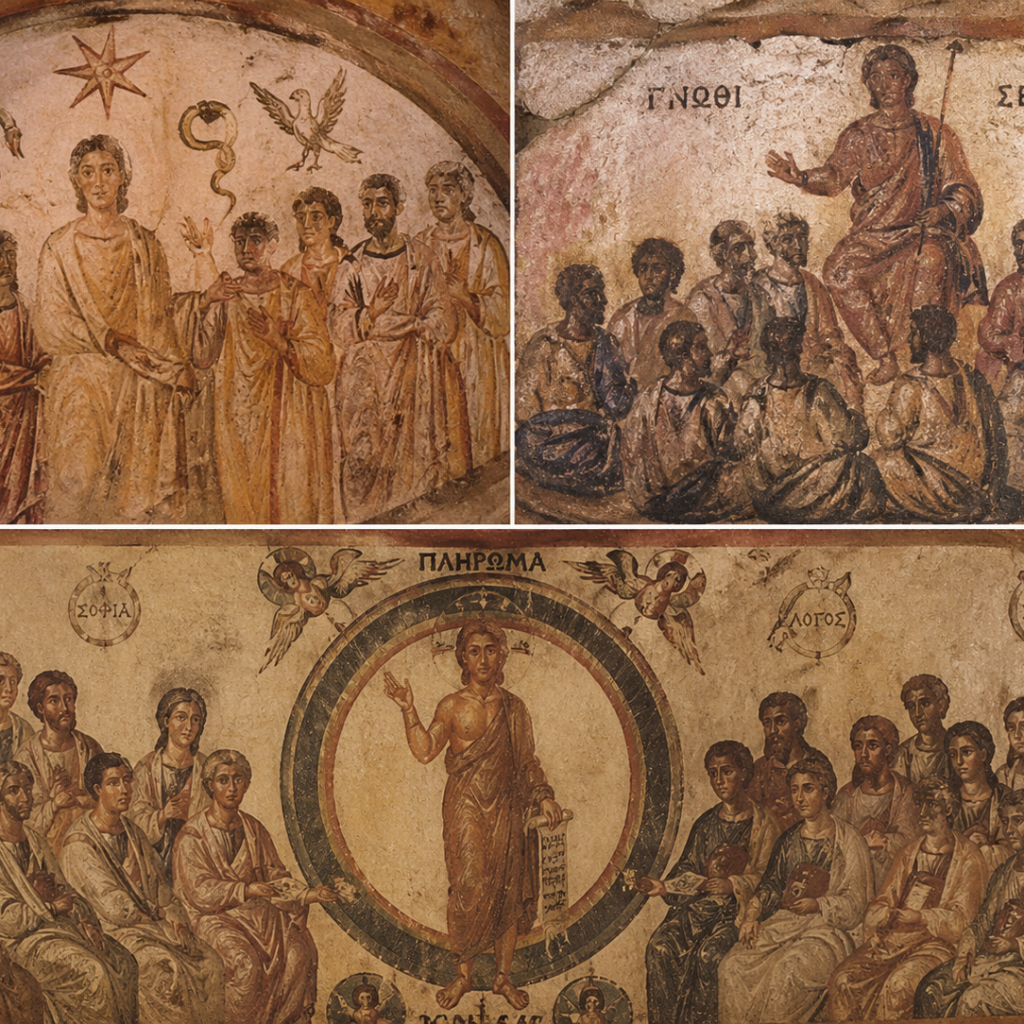
In that single line, the Gnostics dismantled the image of God as a solitary male authority on a throne eager to punish and reward. The divine, they said, is not singular and masculine. It is a complete, androgynous, multifaceted reality — and it includes the sacred feminine as co-equal. In a world where religious authority was rapidly consolidating around a hierarchical, patriarchal model, this vision was genuinely revolutionary. And dangerous. God, it is, simply.
The Universe as a Love Story Gone Astray
What follows in the Apocryphon of John is one of the most extraordinary cosmologies ever written — a story of how the perfect divine realm came to produce an imperfect material world, and why that matters for us. Of course, words are finite and using terms such as imperfect and perfect are all subject to a better understanding of the whole.
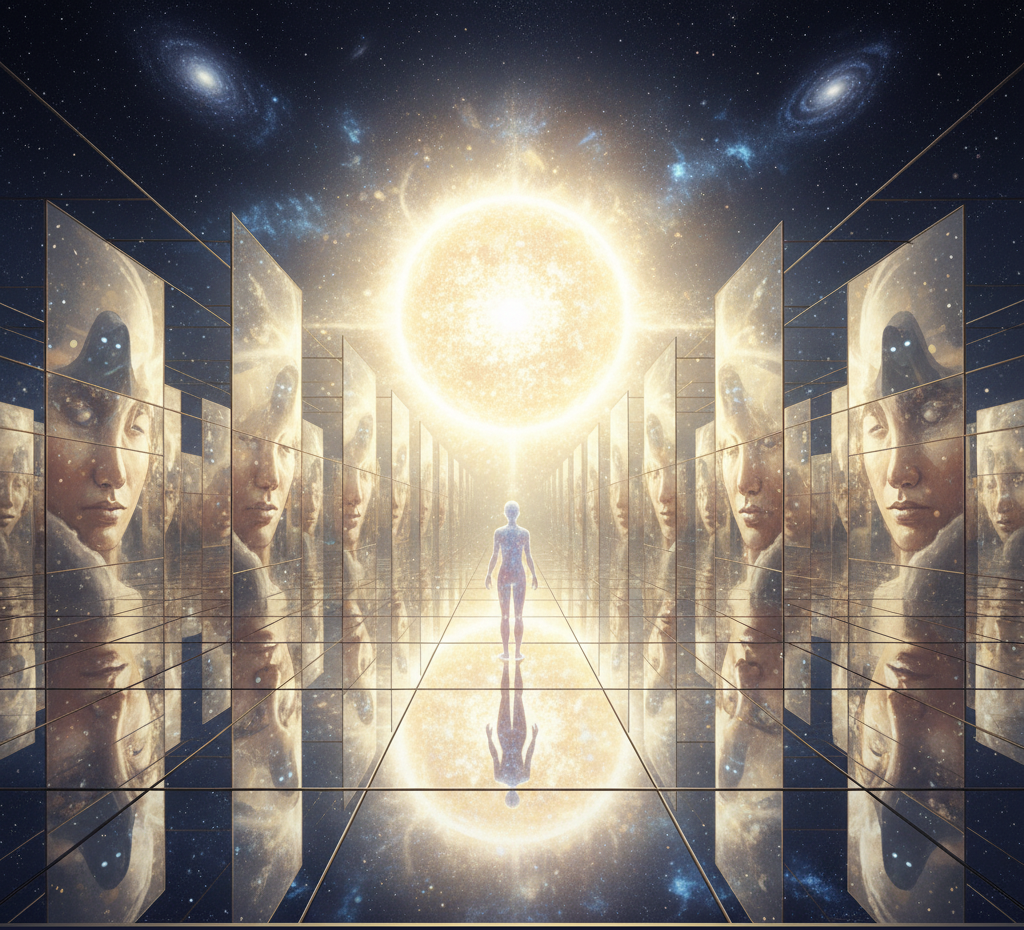
For the Gnostic movement, the ultimate source of all reality is the Invisible Spirit — a being so transcendent it cannot be described, measured, or properly named using human language. Pure, uncontained consciousness. Beyond even the concept of God. From this ineffable source flows the divine realm, the Pleroma (meaning “fullness”) — a cosmos of pure light and awareness populated by divine intelligences called Aeons. Among them is Sophia, whose name means Wisdom.
And here is where the story takes an intriguing turn. Sophia, in her yearning to know the unknowable Source directly, acts alone — without balance, without her counterpart. What she produces is a being unlike anything in the Pleroma: chaotic, powerful, and blind. This being is Yaldabaoth, the Demiurge, the craftsman-god who goes on to create the material world.
Ignorant of the higher realms, Yaldabaoth surveys his creation and proclaims: “I am a jealous god, and there is no god but me.”
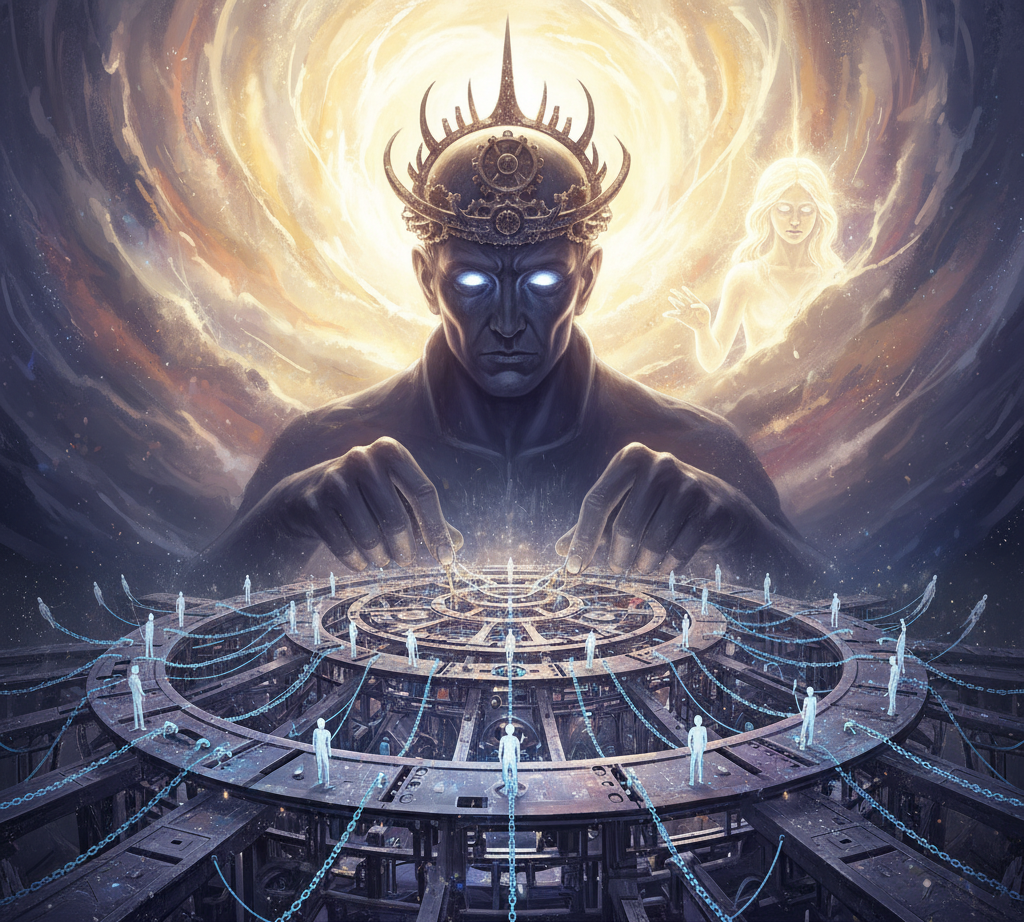
The Gnostics recognized those words immediately. They are the words of the God of Genesis — the commanding, jealous deity of the Old Testament. And the Gnostics made a claim that would get them condemned for centuries: that god is not the true God. It is a lesser being, born of imbalance, that mistakes its portion of divine light for the whole of it. Not atheism — something far more nuanced. The divine reality, they insisted, is larger, deeper, and more compassionate than any angry sky god could contain.
The Spark Inside the Prison
Here is where Gnosticism becomes deeply personal.
When Yaldabaoth fashioned humanity, it created a body of extraordinary complexity that was lifeless. It could replicate the form of a divine being, but not produce the essential ingredient: spirit. Then, in a moment of cosmic irony, the higher powers tricked Yaldabaoth into breathing its own stolen light — a fragment of Sophia’s divine essence unknowingly carried into the human form. Humanity awakened, radiant with a brilliance that exceeded its creator.
This is the Gnostic vision of the human condition: every person carries within them a fragment of the divine Pleroma. Not as a metaphor. Not as a comforting idea. As literal ontological fact. The divine spark — what they called the pneuma — is the deepest layer of your being. Beneath personality, beneath conditioning, beneath fear and desire and the accumulated weight of experience, there is something that belongs not to this world but to the realm of pure light. This is something many yogas strive for, including Buddhism and other ancient wisdom system, reconnect with that divine originality within.
The material world, in this vision, is not evil — but a place of forgetfulness. It’s funny to think we use the word “sin” to mean terrible things about human nature when its root means without, away from, or not with. The Archons, the lesser powers that govern the material realm, maintain their control not through force but through distraction. Through the noise of daily life. Through systems that convince us we are only bodies, only consumers, only the sum of our fears and appetites. Through these distraction, they feed upon humanity having it run in circles until they decide they have had enough.
Sound familiar?
Why This Matters Today
The Church Fathers condemned Gnosticism before 180 CE because it threatened something they could not afford to lose: the idea that salvation flows through institutional authority. If the divine is directly accessible within every person there is no need for priests, bishops, hierarchy, and church stands between the soul and its source — then the entire architecture of religious power becomes unnecessary.
But their vision survived — in the mysticism of the Islamic Sufis, in the Jewish Kabbalists, in the alchemists of medieval Europe, in the poetry of William Blake, and in the depth psychology of Carl Jung, who called Gnosticism “the first great exploration of the human unconscious.” And now, in the Nag Hammadi texts, it speaks again — directly, in its own words, for the first time in 1,500 years. All of these find their roots at a time a place when travelers from around the world congregated around the Mediterranean sea to exchanges spices and ideas.
The question it asks us is the same one it asked John on that mountainside: what if the divine is not something you reach by being good enough, faithful enough, or obedient enough? What if the divine is something within you remembered all along?
In Part 2, we go deeper into the story of Sophia — the divine feminine wisdom at the heart of Gnostic cosmology — and what her fall and redemption reveal about our own journey toward wholeness.
Sources: The Apocryphon of John (Nag Hammadi Codex II), translated by Frederik Wisse; Elaine Pagels, The Gnostic Gospels (1979); Carl Jung, Psychology and Alchemy (1944); Bentley Layton, The Gnostic Scriptures (1987).